A Beginner’s guide to Alberta: Where to Go, What to See & Travel Tips


Explore Canada: Why Visit Alberta
For many first-time visitors to Canada, Alberta delivers some of the country’s most iconic landscapes and unforgettable experiences. Home to the soaring peaks of the Canadian Rockies, turquoise glacier-fed lakes, ancient forests, dramatic prairies and abundant wildlife, Alberta offers the perfect introduction to Western Canada.
Whether you dream of hiking beneath towering mountains, driving one of the world’s most scenic highways, experiencing authentic Indigenous culture, spotting bears and elk in the wild or watching the northern lights dance across dark skies, Alberta offers extraordinary experiences in every season.
The province is home to six UNESCO World Heritage Sites (including sites shared with neighbouring provinces), more than 460 provincial parks and some of Canada’s most spectacular national parks. From the world-famous landscapes of Banff and Jasper to the fascinating dinosaur discoveries of the Canadian Badlands, Alberta combines breathtaking scenery with rich history, culture and adventure.
Many travellers combine Alberta with neighbouring British Columbia, creating the ultimate Western Canada journey that blends the Rocky Mountains with Vancouver, Vancouver Island and the Pacific coastline. However, Alberta also works beautifully as a standalone holiday, offering excellent infrastructure, accessible wilderness and unforgettable experiences within a relatively compact travel route.
Whether you are visiting Canada for the first time or returning to explore deeper, Alberta offers the perfect balance of dramatic landscapes, outdoor adventure, luxury experiences and authentic local culture.


Before You Travel: Entry Requirements for Alberta
For UK travellers, visiting Alberta is straightforward, but there are a few important requirements to know before you go.
Do UK citizens need a visa for Canada?
UK passport holders travelling to Canada for tourism do not usually need a visa for short visits. However, tourists must apply for an Electronic Travel Authorisation (eTA) before flying.
An eTA is electronically linked to your passport and should be arranged before travelling. Approval is often quick, but it is recommended that you apply well in advance of your trip.
Travellers should also ensure:
- Their passport is valid for the duration of their stay
- They have appropriate travel insurance
- They can provide details of accommodation and onward travel if requested by Canadian border officials
Canada has strict rules regarding bringing food, plants and animal products into the country, so always check current customs requirements before departure.


How Long Should You Spend in Alberta?
One of the most common questions first-time visitors ask is how much time they need to explore Alberta. The answer depends on your interests, but most travellers find that between 7 and 14 days allows enough time to experience the province’s highlights without feeling rushed.
Alberta is Canada’s fourth-largest province, and distances between destinations can be greater than many UK visitors expect. A well-planned itinerary is usually better than trying to see everything.
7 Days in alberta: A First Taste of Alberta
Perfect for a first introduction to the province.
A classic route could include:
- Calgary
- Banff National Park
- Lake Louise
- Moraine Lake
- Icefields Parkway
- Jasper National Park
This itinerary focuses on Alberta’s most iconic mountain scenery, wildlife viewing and scenic drives.
10 Days in alberta: The Classic Alberta Experience
Allows more time to slow down and enjoy the Rockies.
Consider adding:
- Canmore and Kananaskis Country
- More hiking or wildlife experiences
- Indigenous cultural experiences
- A longer stay in Jasper
- A visit to the Columbia Icefield
14 Days or More in alberta: Explore Beyond the Rockies
Ideal for travellers wanting a deeper Alberta experience.
Add:
- Calgary and Southern Alberta
- Waterton Lakes National Park
- The Canadian Badlands
- Drumheller and the Royal Tyrrell Museum
- Edmonton and Métis Crossing
- Dark Sky experiences and northern lights viewing


Alberta or British Columbia?
First-time visitors often compare Alberta and British Columbia when planning a holiday to Western Canada.
Alberta is best known for:
- The Canadian Rockies
- Banff and Jasper National Parks
- Wildlife encounters
- The Calgary Stampede
- Indigenous cultural experiences
- Prairie landscapes
- Scenic road trips
British Columbia offers:
- Vancouver’s city culture
- Pacific coastline
- Whale viewing
- Bear viewing
- Temperate rainforests
- Vancouver Island
- Wine regions and coastal scenery
Many travellers combine both provinces, travelling through the Rockies before continuing west towards Vancouver and the Pacific Ocean.
For visitors seeking Canada’s most iconic mountain landscapes and wildlife experiences, Alberta is often the perfect place to begin.


Getting To Alberta
Travelling to Alberta from the UK and Ireland is straightforward, with direct and one-stop connecting flights available throughout the year.
Flying to Alberta
Most international visitors arrive through one of Alberta’s two largest airports:
Calgary International Airport (YYC) is the primary gateway for visitors heading to Banff National Park, Lake Louise, Canmore, Kananaskis Country and The Icefields Parkway, with direct flights available from London, Edinburgh and Dublin, making it one of the most convenient entry points to Western Canada for UK and Irish travellers.
Edmonton International Airport (YEG) is ideal for visitors exploring northern Alberta. It provides easy access to Jasper National Park, Elk Island National Park and Métis Crossing. While there are no direct flights from the UK, convenient one-stop connections are available via major Canadian and North American hubs.
Do You Need a Car in Alberta?
For most visitors, we highly recommend hiring a car to make the most of your time in Alberta. The province’s most spectacular scenery, national parks and wildlife viewing areas are spread across a vast area, and a self-drive holiday gives you the freedom to explore at your own pace, stop at scenic viewpoints and discover places that are difficult to reach by public transport.
While it is possible to travel around Alberta using a combination of rail journeys, shuttle services and organised excursions, this can often be less flexible, more time-consuming and, in many cases, more expensive once transfers and tours are added together. For first-time visitors, a hire car is usually the most convenient and cost-effective way to experience Alberta’s highlights, particularly when travelling between destinations such as Calgary, Banff, Lake Louise, Jasper and Edmonton. It also allows you to experience one of Canada’s greatest road journeys: the spectacular Icefields Parkway, regularly ranked among the world’s most scenic drives.
Driving in Alberta: What UK Visitors Need to Know
Driving in Alberta is generally easy, but there are some important differences for UK travellers.
Remember:
- Canada drives on the right-hand side of the road
- Distances are much greater than in the UK — a journey that looks short on a map can take several hours
- Fuel stations can be limited in remote areas, especially between Jasper and Lake Louise
- Mountain weather can change quickly, so always check road conditions before long drives
- Wildlife is most active around dawn and dusk, so take extra care when driving through national parks
- Winter driving requires extra preparation, with snow and ice possible from autumn through spring
- When driving in the Rockies, allow plenty of time for stops. Some of Alberta’s most memorable moments happen when you pull over to admire a viewpoint, watch wildlife or simply take in the scenery


Rail Journeys in Alberta
For travellers who prefer to experience Alberta at a gentler pace, rail travel offers a memorable way to take in some of Canada’s most spectacular scenery. The world-renowned Rocky Mountaineer showcases the dramatic landscapes of the Canadian Rockies, linking destinations such as Banff, Lake Louise and Jasper while passing soaring peaks, deep river valleys and vast wilderness areas.
Alberta is also part of VIA Rail’s cross-country network, with services stopping in both Jasper and Edmonton. This creates opportunities not only to travel within the province, but also to continue seamlessly into neighbouring provinces including British Columbia, Saskatchewan, Manitoba and Ontario. Whether combining a Rockies adventure with a city stay in Edmonton or incorporating Alberta into a wider Canadian rail holiday, train travel offers a comfortable and scenic alternative to driving.
One of the great advantages of travelling by rail is the journey itself. Large panoramic windows, spacious seating and ever-changing views allow you to fully appreciate the scale and beauty of the landscapes along the way. As rail services operate on selected routes, additional transport may occasionally be required to reach destinations beyond the rail network, particularly in more remote areas.
Alberta Travel Costs
The cost of an Alberta holiday depends on the season, accommodation style, transport choices and experiences you include.
The Canadian Rockies are particularly popular during the summer months, and accommodation in destinations such as Banff, Lake Louise and Jasper can be expensive during peak periods.
Travelling in spring or autumn can often provide:
- Better accommodation availability
- Lower prices
- Fewer crowds
- Beautiful seasonal scenery
When budgeting for your trip, consider:
Accommodation
Hotels, lodges and resorts in the Rockies vary significantly in price. Staying slightly outside the main centres, such as in Canmore rather than Banff, can sometimes provide better value while still offering easy access to attractions.
Car Hire
A rental car is one of the biggest costs for many visitors but provides excellent flexibility. Remember to factor in:
- Fuel
- Insurance options
- Parking fees
- National park entry fees
Activities
Popular experiences that may require advance booking include:
- Scenic gondola rides
- Glacier experiences
- Wildlife tours
- Canoeing on mountain lakes
- Guided hikes
- Indigenous cultural experiences
- Luxury rail journeys


Practical Planning: When to Visit Alberta
Alberta is a year-round destination, with each season offering its own unique experiences.
| Season | Best For |
|---|---|
| Spring | Wildlife, fewer crowds, lower prices |
| Summer | Hiking, lakes, road trips, outdoor adventures, wildlife |
| Autumn | Fall colours, wildlife, larch season |
| Winter | Skiing, snow activities, northern lights |
Summer in Alberta (June to September)
Summer is the most popular time to visit, and Alberta experiences its peak tourist season during the summer months of June to August, when the weather is warm and outdoor activities abound. Warm temperatures, long daylight hours and accessible hiking trails make it the season perfect for exploring Banff, Jasper, Lake Louise and Moraine Lake. This is also the best time for canoeing, wildlife viewing and scenic road trips.
Average daytime temperatures are often around 20–25°C, although warmer days can reach 30°C.
Popular attractions such as Moraine Lake and Lake Louise can become extremely busy, so advance planning is essential.
Visiting Moraine Lake and Lake Louise
One of the biggest surprises for first-time visitors is that reaching Alberta’s most famous lakes requires planning.
Moraine Lake access is restricted, and private vehicles are generally not permitted during the main visitor season. Visitors usually need to use:
- Parks Canada shuttles
- Approved transport providers
- Guided tours
Lake Louise also experiences significant summer demand and parking fills quickly.
Booking transport well in advance is highly recommended, especially between June and September.
Winter in Alberta (December to March)
Winter transforms Alberta into a snow-filled playground with no shortage of winter activities. World-class ski resorts welcome visitors to Banff and Lake Louise, while frozen waterfalls, ice walks, wild ice skating and snowshoeing create unforgettable adventures.
Winter also offers some of the year’s best opportunities to witness the northern lights beneath long, dark skies.
Temperatures can drop significantly, particularly in the mountains, with conditions sometimes reaching below -20°C.
However, Alberta is famous for its Chinook winds — warm Pacific air that can rapidly raise temperatures around Calgary and southern Alberta during winter.
Spring and Autumn in Alberta (April-May and September-October)
Many experienced travellers prefer the shoulder seasons as spring and autumn often bring fewer crowds, lower accommodation prices and beautiful seasonal colours while still offering excellent sightseeing opportunities.
April to late May showcase blooming wildflowers, while autumn is especially attractive as golden larch trees brighten mountain landscapes and wildlife becomes increasingly active before winter.


The Canadian Rockies: Alberta’s Must-See Region
The Canadian Rockies are the main reason many visitors choose Alberta.
This spectacular mountain region is home to:
- Banff National Park
- Jasper National Park
- Lake Louise
- Moraine Lake
- The Icefields Parkway
- Ancient glaciers
- Emerald lakes
- Incredible wildlife
Exploring The Canadian Rockies: Where To Go
The Canadian Rockies are Alberta’s most famous region and the highlight of many first-time visits. The combination of dramatic mountain peaks, turquoise lakes, glaciers, forests and abundant wildlife makes this one of the world’s most spectacular destinations.
Although many visitors focus on Banff and Jasper, the wider Rocky Mountain region includes charming mountain towns, quieter wilderness areas and scenic routes that are well worth exploring.
Banff National Park
Established in 1885, Banff National Park is Canada’s oldest national park and one of the most recognisable landscapes in the world.
Located just over an hour from Calgary, Banff is often the first stop on a Canadian Rockies adventure.
Visitors come here for:
- Turquoise glacial lakes
- Mountain viewpoints
- Wildlife encounters
- Scenic drives
- Hiking trails
- Luxury lodges and mountain resorts
- Outdoor adventures in every season
Highlights of Banff:
Lake Louise
Perhaps Alberta’s most famous attraction, Lake Louise is instantly recognisable for its vivid turquoise water surrounded by snow-capped peaks.
In summer, visitors can:
- Walk the lakeshore trail
- Hire a canoe
- Hike to viewpoints such as the Plain of Six Glaciers
- Enjoy afternoon tea overlooking the lake
Travel tip: Lake Louise is extremely popular in summer. Arrive early or use shuttle services to avoid parking challenges.
Moraine Lake
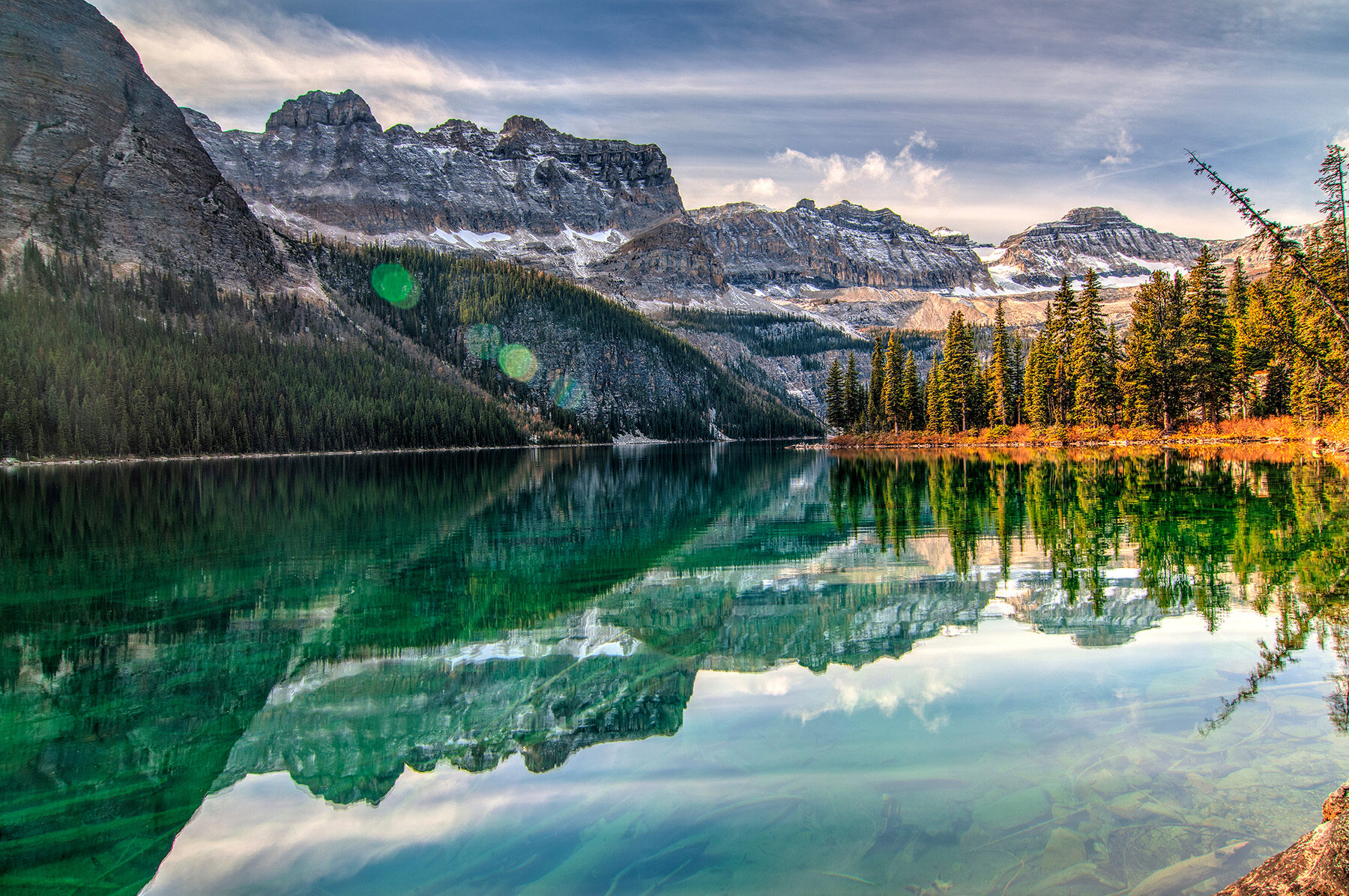
Often considered one of the most beautiful lakes in the world, Moraine Lake sits beneath the Valley of the Ten Peaks.
Its famous blue-green water and dramatic mountain backdrop make it one of Canada’s most photographed locations.
Visitors can enjoy:
- The Rockpile Trail viewpoint
- Canoeing
- Hiking routes into the surrounding mountains
- Sunrise photography
Important: Private vehicle access is restricted during the main visitor season, so visitors should plan ahead and book approved transport.
The Icefields Parkway
The drive between Banff and Jasper along the Icefields Parkway is one of the world’s greatest scenic road trips.
The 232-kilometre route passes:
- Towering mountain peaks
- Glaciers
- Waterfalls
- Wildlife habitats
- Ancient forests
- Turquoise lakes
Allow a full day for the journey. Although the drive itself takes around three hours without stops, most travellers spend much longer enjoying viewpoints and attractions along the way.
Highlights include:
- Columbia Icefield
- Athabasca Glacier
- Peyto Lake
- Bow Lake
- Sunwapta Falls
Keep your camera ready — wildlife sightings are common.


Canmore and Kananaskis Country
Many visitors base themselves entirely in Banff, but the nearby mountain town of Canmore offers an excellent alternative.
Located just outside Banff National Park, Canmore provides:
- Beautiful mountain scenery
- Excellent restaurants
- Boutique accommodation
- A quieter atmosphere
- Easy access to hiking trails
Nearby Kananaskis Country is one of Alberta’s hidden gems.
Less crowded than Banff, it offers:
- Stunning mountain landscapes
- Wildlife viewing
- Scenic drives
- Hiking trails
- Luxury wilderness lodges
For travellers seeking a more peaceful Rockies experience, Kananaskis is an excellent addition.
Jasper National Park
Located at the northern end of the Canadian Rockies, Jasper National Park offers a wilder and more peaceful experience than Banff.
The park is the largest national park in the Canadian Rockies and is famous for:
- Vast wilderness
- Incredible wildlife
- Dark skies
- Glaciers
- Dramatic mountain scenery
Jasper often feels more remote and relaxed, making it a favourite among travellers looking to escape the crowds.
Jasper Highlights:
Maligne Lake
One of Jasper’s most iconic locations, Maligne Lake is famous for its deep blue waters and Spirit Island viewpoint.
Visitors can:
- Take a scenic boat cruise
- Kayak or canoe
- Enjoy lakeside walks
- Explore surrounding trails
- Athabasca Falls
Despite not being the tallest waterfall in Alberta, Athabasca Falls is one of the most impressive due to the incredible power of the water cutting through the canyon.
Jasper SkyTram
The Jasper SkyTram provides panoramic views over the town and surrounding mountains, offering one of the best viewpoints in the region.


Wildlife Viewing in Alberta
Alberta is one of the best destinations in Canada for seeing wildlife in its natural habitat.
While sightings can never be guaranteed, the province’s national parks and wilderness areas offer excellent opportunities.
Animals You May See in Alberta:
Bears in alberta
Best chances to see them:
Always keep a safe distance and follow Parks Canada guidance.
Elk in alberta
Elk are among the most commonly seen large mammals in the Rockies.
They are frequently spotted around:
- Banff
- Jasper
- Canmore
- Jasper townsite
Bighorn Sheep in Alberta
Often seen along mountain roads and rocky slopes, particularly around:
- Banff
- Kananaskis
- The Icefields Parkway
Moose in Alberta
Moose are more elusive but can sometimes be seen near:
- Wetlands
- Lakes
- Forested areas around Jasper
Bison in Alberta
For a chance to see wild bison, visit Elk Island National Park near Edmonton.
The park is also an excellent destination for:


National Park Essentials
Park Passes
Most visitors exploring Banff, Jasper and other national parks require a Parks Canada pass. Depending on your itinerary, options include daily admission, group passes or the annual Discovery Pass, which can offer excellent value if you’re visiting multiple national parks or historic sites during your trip. Canada occasionally introduces special initiatives, such as the Canada Strong Pass, which can provide free or discounted access to selected Parks Canada attractions. Your Journeyscape Travel Expert can advise on the latest schemes and help you choose the most suitable pass for your holiday.
Wildlife Safety
Wildlife encounters are among Alberta’s greatest attractions, but respecting animals is essential. Following these simple rules protects both visitors and wildlife so always:
- Stay at least 30 metres from elk, deer and sheep
- Stay at least 100 metres from bears, wolves and cougars
- Never feed wildlife
- Store food securely
- Obey all temporary trail closures
Camping and Backcountry Permits
For those interested, campsites are widely available throughout Alberta’s national parks. However, as they are extremely popular during summer, reserve campsites as early as possible if travelling between June and September.
Backcountry camping requires additional permits, and many popular hiking routes operate with limited daily quotas to protect sensitive environments. Always check trail conditions and reservation requirements before departure.


Northern Lights and Dark Sky Experiences in Alberta
For many international visitors, seeing the northern lights is a once-in-a-lifetime experience, and while Alberta lies further south than Canada’s far northern territories, it still offers excellent opportunities to witness the aurora borealis, particularly during periods of strong solar activity.
When to See the Northern Lights in alberta
Best Places to Watch the Aurora in Alberta
Jasper National Park is widely regarded as Alberta’s premier northern lights destination. Its protected dark skies, limited light pollution and mountain scenery create an unforgettable backdrop for aurora viewing.
Another excellent location is Elk Island National Park. Located less than an hour east of Edmonton, this designated Dark Sky Preserve offers easy access for visitors staying in the city and is one of the most accessible places in Alberta for stargazing and aurora photography.
Remote areas throughout the Canadian Rockies can also provide excellent viewing opportunities whenever solar activity is favourable.
Book a Guided Night Tour in Alberta
If seeing the northern lights is a priority, consider joining a guided evening excursion. Local guides monitor weather conditions and aurora forecasts, increasing your chances of finding clear skies. Many tours also provide photography advice, helping you capture the lights while learning more about the science and local Indigenous stories associated with the aurora.


Indigenous Culture and Authentic Experiences in Alberta
One of the most rewarding ways to explore Alberta is through its Indigenous cultures and traditions. The province is home to numerous First Nations and Métis communities, each with unique histories, languages and cultural practices that have shaped Alberta for thousands of years. Visitors are encouraged to seek authentic, community-led experiences that offer meaningful opportunities to learn directly from Indigenous knowledge keepers.
Métis Crossing
Located northeast of Edmonton, Métis Crossing is Alberta’s first major Métis cultural destination. Visitors can take part in guided cultural experiences, traditional craft workshops, wildlife tours, storytelling sessions and historic river excursions while learning about Métis history and contemporary life.
Accommodation is also available, allowing guests to extend their visit with immersive overnight experiences.
Head-Smashed-In Buffalo Jump
One of Alberta’s six UNESCO World Heritage Sites, Head-Smashed-In Buffalo Jump preserves one of the world’s oldest and best-preserved buffalo hunting sites.
For thousands of years, Indigenous peoples skilfully guided bison over the cliffs below as part of sustainable hunting practices. Today, the award-winning interpretive centre combines archaeological exhibits, multimedia presentations and Indigenous perspectives to explain this remarkable history.
Responsible Cultural Tourism
Responsible tourism helps preserve cultural traditions while directly supporting Indigenous communities. When participating in Indigenous cultural experiences:


Beyond the Rockies: Alberta’s Hidden Gems
While the Canadian Rockies attract most first-time visitors, Alberta offers many other landscapes and experiences that showcase the province’s incredible diversity.
From dinosaur discoveries and dramatic Badlands to prairie wildlife and peaceful mountain lakes, exploring beyond Banff and Jasper reveals another side of Alberta.
The Canadian Badlands
Eastern Alberta feels completely different from the Rocky Mountains.
Instead of snow-capped peaks, visitors discover:
- Ancient rock formations
- Vast prairie landscapes
- Hoodoos and canyons
- Dinosaur fossils
- Historic towns
The region is especially rewarding for travellers interested in geology, history, photography and family-friendly adventures.
Drumheller and the Dinosaur Trail
The town of Drumheller is one of Alberta’s most unique destinations.
Known as the “Dinosaur Capital of the World”, the surrounding area has produced some of the richest dinosaur fossil discoveries on Earth.
Highlights include:
Royal Tyrrell Museum
Royal Tyrrell Museum of Palaeontology is one of the world’s leading dinosaur museums.
Visitors can explore:
- Incredible fossil collections
- Dinosaur skeletons
- Interactive exhibits
- The science behind palaeontology
Hoodoos Trail
The strange rock pillars of the Hoodoos Trail were shaped over thousands of years by erosion and are among Alberta’s most photographed landscapes.
Horseshoe Canyon
This dramatic canyon offers spectacular views across layered rock formations and is particularly beautiful at sunrise and sunset.


Waterton Lakes National Park
Located in southern Alberta near the US border, Waterton Lakes National Park is one of Alberta’s most underrated destinations.
Part of the world’s first International Peace Park (shared with Montana’s Glacier National Park), Waterton combines:
- Mountain scenery
- Prairie landscapes
- Lakes
- Wildlife
- Fewer crowds than Banff
Highlights include:
- Waterton Lake
- Red Rock Canyon
- Bear’s Hump viewpoint
- Scenic drives
- Hiking trails
For travellers with extra time, Waterton offers a quieter and more authentic Rocky Mountain experience.


Practical alberta travel tips
Money, Taxes and Tipping
Alberta uses the Canadian Dollar (CAD).
Visitors from the UK should know:
- Credit and debit cards are widely accepted
- Contactless payments are common
- ATMs are widely available in towns and cities
- Some remote areas may have limited payment facilities, so carrying a small amount of cash can be useful
Unlike many UK prices, displayed prices in Canada often do not include sales tax. Alberta has a 5% federal Goods and Services Tax (GST), which is added at checkout.
Tipping is an important part of Canadian service culture.
Typical guidelines:
- Restaurants: around 15–20%
- Tour guides: often around 10–20% depending on the experience
- Hotel staff and drivers: small gratuities are appreciated
Planning Ahead
Alberta, like the rest of Canada is a safe and friendly destination, but a bit of sensible preparation helps ensure an enjoyable holiday.
Purchase Comprehensive Travel Insurance
If you’re planning activities such as hiking, skiing or guided outdoor adventures, make sure your travel insurance covers these activities, as well as emergency medical treatment and evacuation if required.
Mobile Coverage
Mobile coverage is excellent in Alberta’s towns and cities but can become limited in remote mountain areas.
Visitors should expect:
- Reliable coverage in Calgary, Edmonton, Banff and Jasper
- Reduced signal in parts of the Rockies and national parks
- Limited or no reception on some remote hiking routes
Before heading into wilderness areas:
- Download offline maps
- Save important travel information
- Tell someone your plans if hiking remotely
Many UK travellers now use eSIM providers or international roaming packages to stay connected without purchasing a local SIM card.
Packing for Alberta: What to bring
Being prepared means you can comfortably enjoy Alberta’s spectacular landscapes in all conditions. Mountain weather can change rapidly, even during midsummer, so dress in layers and make sure to pack:
- A waterproof jacket
- Warm insulating clothing
- Comfortable hiking boots
- Hat and gloves (even in summer)
- Sun protection
- Refillable water bottle
- Small first-aid kit


Ready to Book Your Alberta Holiday?
From crystalline lakes and towering mountain peaks to vibrant cities, Indigenous cultural experiences and unforgettable wildlife encounters, Alberta showcases some of Canada’s most spectacular landscapes.
Whether you’re interested in driving the Icefields Parkway, riding the Rocky Mountaineer through the Rockies, exploring the hoodoos of the Badlands, enjoying the excitement of the Calgary Stampede or gazing up at the northern lights over Jasper, you’ll discover no shortage of incredible things to do in Alberta, Canada. Every corner of the province offers memorable experiences, from wildlife spotting in the Canadian Rockies to exploring thriving urban centres such as Calgary and Edmonton.
Alberta is also home to a wide range of accommodation options, from luxury mountain retreats and wilderness lodges to boutique city stays and family-friendly resorts. Whether you’re searching for iconic Fairmont properties, secluded lodges or comfortable Alberta hotels close to the province’s top attractions, there’s something to suit every style of traveller.
With a little planning, you’ll discover why so many travellers return again and again to experience Canada’s Wild West. Explore our curated Alberta itineraries, featuring many of the province’s most iconic attractions and places to visit in Alberta, or speak to one of our Alberta Travel Experts about creating a tailor-made holiday designed around your interests. From scenic self-drive adventures and rail journeys to wildlife encounters and cultural experiences, we specialise in bespoke holidays that help you experience Alberta your way.
Inspire
Your edit for North America inspiration
Inspired by the landscapes, culture, wildlife and cuisine of Canada and the USA, explore our entertaining range of articles, travel tips, destination guides, recipes and much more.
View Extraordinary Inspiration



Meet Our Team
Real North America Travel Experts






Why Journeyscape?
We love north america
- Up-to-the-minute knowledge underpinned by 40 years experience
- All of our Travel Experts have personal knowledge of the destination
- A passion for the region runs through all we do
Travel with Confidence
- Fully bonded and licensed
- ATOL-protected
- Book with confidence, knowing every penny is secure
- 24 hour help available at every step of your journey
The Real North America
- Our insider knowledge helps you go beyond the guidebooks
- We hand-pick hotels both for their character and services
- We'll give you authentic experiences based on your personal preferences
Journeyscape brought to you from the award-winning experts at Journey Latin America
